DE-cember

It’s DE-cember. This is a month that is cluttered with lists, appointments, parties, projects and more. The photo above appeared on facebook last week and struck a chord with me. As members of NASMM, Golden Bridges owners have been privileged to meet Joshua Becker (founder of Becoming Minimalist) twice at our national conferences. He inspires and motivates us to live our own minimalist lifestyle and also gives us insights for helping our clients.

The DE-cember message hits home in several ways:

  • As an excuse to say NO to some of the invitations
  • A pass on putting up ALL the holiday decorations
  • An opportunity to offload/donate one or more of those holiday sweaters
  • A reminder to schedule that post-holiday massage or facial to unwind
  • A chance for reflection on what’s most important

Most of us cannot live a totally minimalist life. We are not going to boycott holiday parties altogether. If we are members of a local church or synagogue, we are going to attend special services because we want to be among our friends and fellow congregants. We want to spend time with family and close friends. But we don’t have to attend the Christmas party of every organization we have supported this year, especially if they conflict with other (more important) events.

Deciding how we are going to participate in gift exchanges is also a good place to start. You can instead choose to support a local or global charity and send a card to those with whom you normally exchange gifts. Or, you can be upfront and tell them that this year you are downsizing your holidays, including the gift giving.

While RE-flecting on those things that are important to you, RE-member that  it’s ok to DE-flect those things that don’t bring you joy, that don’t hold value in your life, or that are draining you physically, financially and emotionally.

As for the stack of holiday sweaters… the homeless shelters would love to spread holiday cheer by wearing them while serving meals or handing them out to their guests!

Happy DE-cember, and may your holiday season be blessed.


Caregivers: Put Your Mask on First

I’m sure you’ve all heard the flight attendant’s warning – “In the event of a sudden drop in cabin pressure, an oxygen mask will drop from the compartment above you. If you are traveling with small children or someone who needs assistance, be sure to put your mask on first before helping others.”

It’s not only protocol, it’s good advice. And, of course, none of us would think twice about doing that in an airplane. But what about our daily caregiving duties. How many of us would let our loved one come second to ourselves?

The idea of support for caregivers is not a new one, but many organizations have formed recently to address this need.

The phrase “caregivers come first” is a call to action and a program name that emphasizes the importance of self-care for caregivers, as well as their access to resources and support. It acknowledges that caregivers need to prioritize their own well-being to effectively care for others and can be seen in programs like Caregivers FIRST (Finding Important Resources, Support, and Training) by the VA Caregiver Support Program. Prioritizing caregivers means they should take breaks, manage their own health, and seek help when needed, without guilt, so they can avoid burnout and remain strong for those they are caring for, according to Johns Hopkins Medicine and Family Caregiver Alliance.

Type “caregiver” into your browser and you will get a wealth of information on how to maintain your health and autonomy while serving as a caregiver even to family members who live in the same household. Here are some of the tips available:

  • Acknowledges personal barriers – help is available for bathing and personal hygiene if you are uncomfortable or not physically able to perform those tasks
  • Take breaks – get out and do the shopping, take a walk, read a book or engage in a hobby you enjoy
  • Maintain your health – being physically able to respond to their needs is important for you and for them… get your flu shot, take your daily meds and vitamins, etc.
  • Maintain other relationships – go out to a movie with a friend; have lunch together and talk about topics you enjoy
  • Seek help – we can all use help from time to time, and there are so many friends, family members and professionals who are more than happy to help you out
  • Use programs and resources – there is no lack of online resources, including the Alzheimer’s Association

For the past two years, Quincy senior service providers and our local Alzheimer’s Association chapter have partnered to present dinner and a group of informative speakers to local caregivers. This year’s dinner is on November 12th at the Quincy Family and Resource Center, 639 York in Quincy. The time is 5:30 – 7:30, and respite care will be provided. 

If you are a caregiver, be good to yourself so you can be good for them!

Senior Chic

What is Senior Chic? Well, if you Google it you might find the 10 best haircuts for women over 70; what not to wear when you’re over 60; or the most flattering neckline over 55. But what about home decor that’s Senior Chic?

During a recent consultation, our potential client described her home as “Senior Chic”. What a wonderful way to characterize a home that is filled with heirloom furniture, curated collections and wall art of different eras and styles. 

Yes, you can use those Federalist chairs with a marble-top antique side table, a geometric Tiffany style lamp and an Arts and Crafts coat rack. Add your art magnets collection to the wall, and call it Senior Chic. It just works!

The chairs were from my father-in- law’s dining room table. “Federal furniture tends to emphasize basic geometric shapes, generally squares, circles, triangles, and rectangles. It is usually refined and well-crafted, with clean edges and straight lines. That’s important, since the idea is to create something rational, cool, and contained.” (Definition from Google.)

The Arts and Crafts coat rack was a savvy find at a local antique store. When I searched this particular hook online, I found the same one on a Restorers Arts & Crafts website. “This 6 Inch Double Coat Hat Hook looks great in any design style. The solid brass hook features a long angled hook and smaller bottom hook with a window pane style back bracket. Use this rugged metal hook in bath, bedroom, laundry room, mudroom, or use several to make a hall tree”. (These hooks are available on Restorer’s website vandykes.com.)

The art magnets are just a part of the one thousand art magnets that my husband and I collected in fifteen years of visiting some of the most famous art museums in the world. 

What is your idea of Senior Chic? Share your pictures with us on Facebook or email to info@goldenbridges4you.com.

And if you need help with collections and heirloom furniture that are overflowing in your home (and harshing your chic), call us for a free consultation. It’s your move, Golden Bridges can help! 

House Prep for Winter

House Prep for Winter: Essential Tips for Seniors to Ensure a Safe and Cozy Home

As winter approaches, it’s crucial for seniors to prepare their homes to ensure safety and comfort during the cold months. Taking proactive steps, such as conducting home safety checks and protecting plumbing, can greatly reduce the risks associated with winter weather. By focusing on specific areas of the home, seniors can create a warm and secure environment that mitigates potential hazards.

Preparing for winter involves not only inspecting heating systems but also weatherproofing homes against the elements. Simple actions like sealing drafts and ensuring walkways are accessible can prevent accidents and enhance overall well-being. By understanding the necessary precautions, seniors can enjoy the season without unnecessary worry.

With the right preparations, the winter season can be enjoyable and safe. Taking these essential steps can lead to improved health and comfort for seniors, making their homes a haven during the colder months.

Key Takeaways

  • Home safety checks and maintenance can prevent winter-related accidents.
  • Protecting plumbing and heating systems is essential for comfort.
  • Weatherproofing ensures a warm and accessible environment.

Understanding Winter Risks for Seniors

Seniors face unique challenges during the winter months that can significantly impact their health and safety. Awareness of these risks is essential for effective preparation and mitigation.

Health Considerations

Winter can exacerbate pre-existing health conditions for seniors. The cold weather increases the risk of health issues such as hypothermia, frostbite, and respiratory problems. Seniors with chronic conditions like heart disease are particularly vulnerable, as cold stress can strain the cardiovascular system.

It is vital for seniors to monitor their health closely during winter. Regular check-ups with healthcare providers can help manage medication and monitor any changes in health status. Staying indoors during extreme weather is advisable, but if going outside is necessary, adequate layering of clothing is essential. Warm fabrics, such as wool, can help retain body heat.

Additional precautions include ensuring that living spaces are adequately heated to prevent cold-related illnesses. Caregivers should encourage hydration and nutrition, as proper intake can support the body’s ability to cope with the cold.

Heating and Energy Efficiency

Ensuring that a home is safely heated is crucial for senior well-being. A well-maintained heating system minimizes the risk of breakdowns during cold spells. It is advisable for seniors to have their heating system serviced before winter begins to ensure efficiency.

Using energy-efficient heating solutions can reduce costs while maintaining a comfortable environment. Seniors should be aware of the importance of setting the thermostat appropriately. Keeping indoor temperatures at or above 68°F helps prevent health issues.

Installing smoke and carbon monoxide detectors in the home is essential. Regularly checking these devices can prevent dangerous situations. Utilizing space heaters safely and ensuring proper insulation can also enhance warmth and comfort during winter months.

Home Safety Checks

Ensuring safety at home during the winter months is crucial, especially for seniors. Proper checks can prevent emergencies and promote a secure environment. Attention should be given to smoke and carbon monoxide detectors, as well as preparing essential emergency supplies.

Smoke and Carbon Monoxide Detectors

Regularly check and maintain smoke and carbon monoxide detectors. This involves replacing batteries every six months and testing the alarms monthly to ensure they function correctly. Detectors should be installed in key areas, such as each bedroom, the kitchen, and hallways.

Consider upgrading to interconnected alarms that can alert throughout the home. Seniors or caregivers should ensure that detectors are clear of obstructions, such as dust or furniture. A well-maintained system can provide vital early warnings, enhancing safety.

Emergency Supplies and Kits

Preparing an emergency supply kit is essential for winter readiness. The kit should include:

  • First aid supplies: Band-aids, antiseptics, and any necessary medications.
  • Non-perishable food: Canned goods or ready-to-eat meals that require minimal preparation.
  • Water: At least one gallon per person per day for at least three days.
  • Flashlights: With extra batteries to avoid power outages.
  • Blankets: To maintain warmth during emergencies.

It’s important to regularly check the kit’s contents, replacing expired items. Keeping this readily accessible ensures quick response during winter storms or power outages.

Heating System Maintenance

Maintaining the heating system is crucial for ensuring warmth and safety during winter months. Proper inspection and settings can significantly enhance efficiency and prevent potential breakdowns.

Furnace Inspection and Service

Regular furnace inspections are essential for safe operation. Seniors should consider scheduling a professional service at least once a year. During this visit, a technician will check various components, including the burners, heat exchanger, and blower motor.

Key Inspection Points:

  • Filters: Clogged filters can reduce efficiency. They should be replaced every 1-3 months.
  • Vents: Ensure that air vents are clear of obstructions, allowing for optimal airflow.
  • Carbon Monoxide Detector: Install and test detectors to prevent dangerous gas buildup.

Seniors can also benefit from learning how to perform basic visual checks, such as looking for rust or signs of wear.

Thermostat Settings

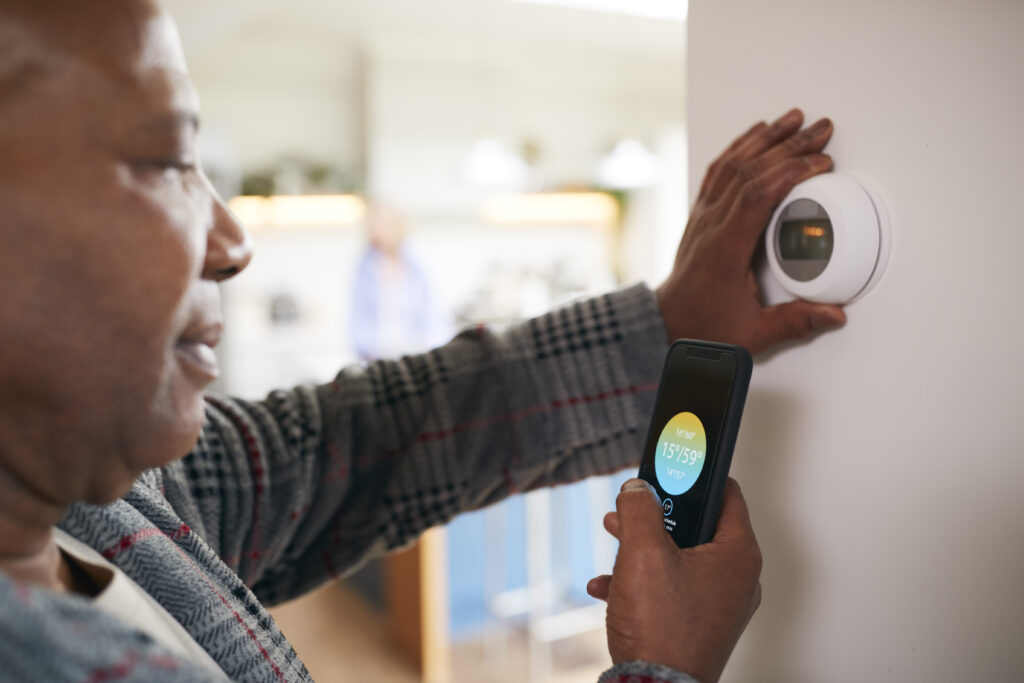
Setting the thermostat correctly ensures comfort and energy efficiency. For optimal performance, it is advisable to set the thermostat to 68°F when at home and lower it while asleep or away to save energy.

Smart Thermostat Benefits:

  • Remote Access: Many smart thermostats allow users to adjust settings from their mobile devices.
  • Scheduling: Users can program heating schedules to align with their daily routines.

Additionally, seniors should consider using programmable thermostats, which can automatically adjust temperatures based on preferences. Regularly reviewing and adjusting settings can lead to significant savings on heating costs.
Weatherproofing Measures

Preparing a home for winter involves essential weatherproofing measures to maintain a comfortable and safe environment. Focused attention on insulation and window treatments can significantly reduce energy costs and protect against harsh winter conditions.

Insulation and Sealants

Proper insulation is vital for maintaining indoor temperatures. Areas such as attics, basements, and walls should be inspected and upgraded if necessary. Filling gaps with quality sealant can prevent drafts.

Consider using foam insulation or fiberglass batts for effectiveness. When sealing, pay special attention to areas around pipes, electrical outlets, and vents. These can often be overlooked but are significant sources of heat loss.

Doors should have weather stripping installed or replacement thresholds added. This minimizes drafts and enhances overall energy efficiency. Regular maintenance checks can help identify any new leaks that might develop over time.

Window Treatments and Solutions

Windows are common culprits for heat loss during winter. Adding storm windows or upgrading to double- or triple-pane glass can significantly enhance energy efficiency.

To further reduce drafts, utilize window treatments such as heavy curtains or thermal blinds. These provide an extra barrier against cold air. The “candle test” is an effective method to locate leaks around window frames.

Residents should consider applying window film for additional insulation. This transparent layer can prevent heat loss without sacrificing natural light. Investing in quality window treatments creates a more comfortable living environment throughout the colder months.

Plumbing and Pipes Protection

Preparing plumbing and pipes for winter is essential for preventing costly damage. Proper insulation and preventative measures can help ensure that pipes remain functional and intact throughout the cold months.

Insulating Pipes

Insulating pipes is crucial for protecting them from extreme temperatures. Uninsulated pipes are vulnerable to freezing and bursting, which can lead to significant repairs. Insulation can be done using foam sleeves or heat tape, both of which provide an effective barrier against cold.

Key areas to focus on include:

  • Basements and Crawl Spaces: These areas often have unheated pipes that are more susceptible to freezing.
  • Exposed Pipes: Any pipe that runs along exterior walls should be insulated.
  • Connecting Insulation to Fittings: Ensure that all fittings and joints are also insulated to prevent cold air from affecting the integrity of the plumbing.

Using insulation bands that can be easily applied will simplify the process and ensure pipes are adequately protected.

Preventing Freezing

Preventing freezing involves several strategic steps to maintain pipe integrity. Homeowners should take action before cold weather sets in to minimize risks.

Recommendations include:

  • Letting Faucets Drip: Allowing a small stream of water to flow through pipes can alleviate pressure and prevent freezing.
  • Maintaining Indoor Temperature: Keeping a consistent temperature in the home, especially during extreme cold snaps, can help prevent issues.
  • Opening Cabinet Doors: For pipes located under sinks, opening cabinet doors can allow warmer air to circulate around these vulnerable areas.

By following these methods, the likelihood of experiencing burst pipes or plumbing failures decreases significantly.

Outdoor Area Preparation

Preparing the outdoor area before winter is crucial, especially for seniors. It involves managing gutters and downspouts and planning for snow and ice removal to protect the home and ensure safety.

Clearing Gutters and Downspouts

Clogged gutters can lead to water overflow and potential damage to the home’s foundation. It’s essential to clear debris from gutters and downspouts before winter sets in.

Seniors should consider using a sturdy ladder, or better yet, hire a professional service, to ensure safety.

Key steps include:

  • Removing leaves, twigs, and dirt from gutters.
  • Checking downspouts for blockages and ensuring water flows freely away from the home.
  • Installing gutter guards to minimize debris accumulation in the future.

Regular maintenance will prevent ice dams and costly repairs, making it a priority in outdoor winter prep.

Snow and Ice Removal Plans

Planning for snow and ice removal is vital for safety during winter. Seniors should create a strategy that allows easy access to pathways, driveways, and entrances.

Consider the following:

  • Keep shovels, salt, and ice melt easily accessible.
  • Designate a neighbor or service for assistance if snow accumulation becomes too difficult to manage.
  • Establish a clear pathway to emergency exits.

Additionally, applying a preventative salt or ice melt product before snowfall can minimize ice buildup. Consistent efforts in snow and ice removal ensure safe navigation around the home throughout the winter months.

Senior Mobility and Accessibility

Ensuring that a senior’s home is safe and accessible during winter is essential for preventing accidents and enhancing their quality of life. Adequate preparation can significantly improve mobility both outside and inside the home.

Pathways and Entrances

Clear and safe pathways are crucial for seniors. It is important to keep walkways free from ice and snow. Regularly clearing snow and applying salt can reduce the risk of slips.

Install handrails on both sides of stairs and ensure that entrances are well-lit. It may also be beneficial to use non-slip mats at entrances to minimize the risk of falls.

Another consideration is the use of ramps instead of stairs, as ramps offer smoother transitions and improved accessibility for those with mobility issues.

Indoor Movement Modifications

Inside the home, modifications can greatly improve mobility. Removing clutter from hallways and ensuring furniture is arranged to allow easy navigation is vital.

Consider installing grab bars in key areas such as bathrooms and near staircases. These provide support when moving around the home.

Additionally, using items like raised toilet seats and shower chairs can enhance safety during personal care.

Ensure all areas are well-lit, particularly stairs and hallways, to improve visibility. Non-slip rugs can help prevent falls, making it easier for seniors to maintain their independence.

Health and Comfort Enhancements

Maintaining health and comfort during winter requires attention to humidity levels and proper lighting. These factors significantly impact overall well-being, especially for seniors.

Humidity and Indoor Air Quality

Indoor air quality often declines in winter due to closed windows and heating systems running continuously. This can lead to dry air, which may cause skin irritations and respiratory issues.

Using a humidifier can help maintain optimal humidity levels between 30-50%. This range not only promotes skin hydration but also minimizes the risk of respiratory infections.

Regularly checking and replacing HVAC filters is essential. Clean filters ensure proper airflow and trap allergens, which contributes to better indoor air quality.

Additionally, consider ventilating the home periodically to allow fresh air in, even during cold days. This practice reduces indoor pollutants and promotes a healthier living environment.

Adequate Lighting and Visibility

As daylight hours decrease, proper lighting becomes crucial. Well-lit spaces reduce the risk of falls and enhance safety.

Incorporate LED lighting in key areas, such as hallways, stairways, and entryways. These lights provide bright illumination and consume less energy than traditional bulbs.

Task lighting should be installed in areas where seniors read or engage in hobbies. Adjustable lamps allow for tailored brightness based on individual needs.

Furthermore, consider adding motion sensor lights in frequently used areas. These provide immediate illumination and enhance safety during nighttime activities.

Regularly assess and replace burnt-out bulbs to ensure optimal visibility. Proper lighting contributes significantly to comfort and enhances the overall quality of life during winter months.


Seniors & Water Boil Orders

Seniors, Water Boil Order: Essential Safety Tips and Guidelines

Understanding the implications of a water boil order is crucial for everyone, especially seniors who might be more vulnerable to the impacts of contaminated water. Local authorities might issue boil orders due to various reasons such as water main breaks, or the presence of harmful bacteria like E. coli. A recent example is the situation in Troy, Idaho, where residents were cautioned to boil their water before use due to bacterial contamination.

Older adults need to take specific precautions during a boil water order to ensure their health and safety. Boiling water effectively kills pathogens and makes it safe for drinking and cooking, a step that is non-negotiable when a boil order is in effect. It’s essential for caregivers and community services to actively support seniors during these times, ensuring they have safe water access and understand how to comply with the orders.

Staying informed is vital, as boil orders can significantly impact daily routines. With incidents like the boil order in Quincy seniors must have access to reliable updates and guidance. By taking these measures, the community can safeguard the well-being of its elder members during such emergencies.

Understanding Water Boil Orders

Water boil orders are crucial public health measures ensuring water safety during contamination threats. Differentiating between a boil advisory and a boil order is important for seniors relying on clean water for daily use.

Definition and Purpose

A water boil order is a directive issued to protect public health when drinking water may be contaminated. The purpose is to limit potential exposure to pathogens like bacteria and viruses, which can cause serious illness. A boil order involves strict instructions: water must be boiled for at least five minutes before consumption or use in food preparation.

These orders come into play when there’s confirmed contamination, unlike a boil advisory, which serves as a precautionary measure when water quality is potentially compromised. Understanding the distinction helps ensure proper compliance and safety.

Issuance and Communication

Water utilities or public health departments issue boil orders when contamination is detected. Effective communication is essential to ensure that everyone is informed promptly. This information is typically disseminated through media outlets, official websites, and community alerts.

For seniors, it’s important to stay connected with local water departments and news sources. A community’s response often involves flushing hydrants and home water lines once the issue is resolved. Users should discard any ice made during the boil order and run their ice makers through a 24-hour cycle to purge the system.

Seniors and Water Safety

During boil water orders, it is crucial for seniors to maintain proper hydration while also navigating challenges specific to their needs. Understanding both the importance of hydration and the potential hurdles faced during boil orders can help ensure their well-being.

Importance of Hydration

Hydration is vital for seniors as it supports bodily functions such as circulation, digestion, and temperature regulation. Dehydration in seniors can lead to dizziness, confusion, and more serious health issues.

Seniors often have reduced thirst sensations, making it essential for them to consciously consume adequate fluids. During a boil water advisory, using commercially bottled water or properly boiled water can provide safe hydration.

Caregivers and family members play a key role in encouraging regular water intake and monitoring any signs of dehydration. Providing fluids in various forms, like soups and herbal teas, can help maintain hydration levels.

Challenges Faced During Boil Orders

Boil water orders can be particularly challenging for seniors, who may struggle with the physical demands of boiling water or lack access to necessary resources. Health issues or mobility constraints can make it difficult for them to lift pots of water or wait for it to cool.

Properly informing seniors about the steps needed to maintain water safety is essential. Potential exposure to contaminants like bacteria and parasites heightens the risk, especially for those with weakened immune systems.

Utilizing bleach solutions for dishwashing and ensuring clear communication about safe drinking water sources can mitigate these challenges. Community resources and support networks can be valuable, offering assistance with tasks related to water boiling and safety.

Practical Guidelines for Seniors Under a Boil Order

Seniors need to follow specific steps during a boil water order to ensure safety and maintain hydration. The focus should be on properly boiling and storing water, as well as identifying practical alternative water sources when boiling water is not feasible.

Boiling and Storing Water

For individuals over the age of 60, preparation and attention to detail are crucial during a boil order. Seniors should bring water to a full rolling boil for at least one minute to kill disease-causing organisms like bacteria and parasites. At elevations above 6,500 feet, it’s recommended to boil for three minutes for effective results.

Once boiled, water should be stored in clean, covered containers to prevent contamination. Labeling containers with the boiling date can help track freshness. It’s also beneficial to maintain a designated spot in the kitchen for prepped water, ensuring easy access and organized storage. Understanding these steps helps safeguard against dehydration and illness during these advisories.

Alternative Water Sources

Besides boiling, seniors can consider other options to meet daily water needs. Bottled water serves as a reliable source when boiling isn’t possible or practical. In areas where access to bottled water is limited, enlisting help from family or community services can be beneficial. Neighbors often share resources or provide assistance during times of need.

Certain activities, like bathing and handwashing, may allow for the careful use of tap water with proper guidelines. For example, a mix of bleach and water can be used for washing dishes, ensuring safer hygiene practices. By being proactive and resourceful, seniors can safely navigate the challenges of boil water advisories without compromising their health.

After the Boil Order: Steps to Safety

Once a boil water order is lifted, taking necessary steps ensures that water is safe for regular use again. This involves flushing the water system and implementing cleaning and sanitation measures to maintain health and safety.

Resuming Normal Water Use

After a boil water order ends, it is crucial to flush home plumbing. Begin by running cold water taps from the lowest level of the house to the highest for at least five minutes. This process clears any contaminated water from the pipes and replaces it with treated water.

In addition, to ensure all appliances and fixtures are safe, clean devices that use water, such as ice makers and filters. Change ice batches that were frozen during the boil order. Removing and replacing filters on water filtration systems prevents any contamination that could have lingered after the advisory. Water heaters should also be drained and refilled if they were near full capacity during the advisory period.

Cleaning and Sanitation Protocols

For post-order safety, cleaning and sanitizing kitchenware and other water-contact surfaces is essential. Wash dishes thoroughly with soapy water, followed by rinsing in clean, safe water. Use a mixture of one tablespoon of unscented bleach per gallon of water to sanitize surfaces.

Dishwashers and washing machines also need attention. Run a full cycle on the dishwasher without dishes using safe water to clear any contamination. Similarly, run a hot cycle on washing machines without clothes using clean water to ensure they are free of potential contaminants.

Taking these steps helps restore safety and confidence in the household water supply while preventing potential health risks associated with contaminated water.


Transfer Trauma

Transfer Trauma, Senior Move Managers: Expert Solutions for Stress-Free Re locations

Relocating seniors to new living environments often brings about significant emotional and psychological challenges. This phenomenon, known as Transfer Trauma or Relocation Stress Syndrome, impacts many elderly individuals as they transition to different levels of care. Senior move managers play a crucial role in reducing transfer trauma by providing specialized support and ensuring a smoother transition for older adults.

Understanding the intricacies of Transfer Trauma allows families and caregivers to better prepare and support seniors through these changes. By addressing both the mental and physical aspects of the relocation process, move managers help mitigate anxiety, sadness, and isolation that often accompany such transitions. Using tailor-made approaches and strategic planning, they aim to minimize the disturbances caused by moving into new environments.

In a field where each detail can profoundly affect an elderly person’s well-being, senior move managers implement best practices to facilitate these significant life changes. Their efforts not only streamline the moving process but also focus on maintaining a sense of familiarity and comfort for seniors. Successful case studies and positive outcomes underscore the importance of these professionals in easing the burdens of relocation for older adults.

Key Takeaways

  • Transfer trauma significantly impacts seniors during relocation.
  • Senior move managers offer vital support to reduce stress and anxiety.
  • Strategic planning ensures smoother transitions and positive outcomes.

Understanding Transfer Trauma

Transfer trauma, also known as relocation stress syndrome, affects seniors who move to new living environments. Recognizing its impact and symptoms is crucial for ensuring a smooth transition.

Defining the Concept

Transfer trauma occurs when elderly individuals experience stress due to relocating to a new living situation, such as a care facility. This condition can result from the loss of familiar surroundings and routines, which can be disorienting and emotionally taxing.

Relocation stress syndrome is characterized by a range of emotional and psychological responses. These responses can significantly hinder a person’s ability to adapt to their new environment. Early recognition and intervention are essential in managing and mitigating these effects.

Symptoms and Indicators

The symptoms of transfer trauma vary and can manifest differently in each person. Common indicators include anxiety, anger, and sadness. Seniors may also experience physical symptoms such as fatigue and poor hygiene.

Changes in eating and sleeping habits are frequent and can lead to further health complications. Additionally, a senior might exhibit an inability to focus or a general sense of withdrawal from social activities.

It is important to look out for signs of increased susceptibility to illness, as stress can weaken the immune system. By identifying these symptoms early, caregivers can take proactive steps to ease the transition and provide the necessary support.

Roles and Responsibilities of Senior Move Managers

Senior Move Managers are crucial in easing the relocation process for older adults. They ensure an organized move and offer invaluable emotional support to seniors during transitions.

Planning and Coordination

Senior Move Managers meticulously plan each step of the moving process. They conduct initial assessments to understand the needs and preferences of the client, decide on an appropriate timeline, and create a detailed moving plan.

They coordinate with movers, real estate agents, and other relevant parties. Their expertise ensures that all logistics, from packing to transportation, are handled efficiently, minimizing disruptions.

Additionally, they oversee the organization and sorting of belongings, determining what to keep, donate, or discard. Their organizational skills ensure that nothing is overlooked, making the transition smooth.

Emotional and Psychological Support

The emotional needs of seniors during a move are as critical as the logistical ones. Senior Move Managers provide support through compassionate communication and understanding. They recognize the emotional strain involved in downsizing and transitioning to new living arrangements.

They help seniors cope with parting from long-held possessions and offer reassurance throughout the process. This empathetic support helps alleviate anxiety and stress, making the move less overwhelming.

Moreover, they facilitate the involvement of family members and friends, ensuring everyone is informed and supportive during this significant life change. Their role as compassionate professionals makes the entire experience more manageable for seniors.

Best Practices for Mitigating Transfer Trauma

Effective strategies for reducing transfer trauma include planning carefully before the move, ensuring emotional and physical support during the transition, and fostering a sense of community and routine after the move.

Pre-Move Strategies

Preparation is key in minimizing transfer trauma. Involvement in decisions is crucial; seniors should participate actively in planning their move to maintain a sense of control. Scheduling visits to the new location can familiarize them with the environment.

Personalization of the new space helps too. Bringing familiar objects and arranging furniture similarly to the previous home can create a comforting atmosphere. Additionally, transparent communication about the reasons for the move and its benefits promotes understanding and cooperation.

During the Move

On moving day, emotional and physical support is essential. Having family members or familiar faces present can greatly reduce anxiety. Appointing a senior move manager can streamline the process and address specific needs promptly.

Keeping routines consistent, such as meal times and leisure activities, stabilizes the transition period. Labeling boxes clearly and ensuring key items are easily accessible upon arrival further eases the adjustment.

Post-Move Adaptation

The period after the move requires attention to establishing new routines. Encouraging seniors to participate in community activities can foster social bonds and reduce feelings of isolation. Regular check-ins by family or caregivers ensure emotional and physical health is monitored.

Maintaining familiar routines around meal times, hobbies, and sleep patterns helps in settling into the new environment. Support groups or counseling can provide additional emotional support. Monitoring for signs of distress or withdrawal can help intervene early and adjust care plans as needed.

Challenges in Senior Relocation

Relocating seniors involves addressing specific challenges related to family dynamics and health and mobility issues. These factors significantly impact the success and comfort of the move.

Family Dynamics

Family dynamics play a crucial role in senior relocation. Different family members may have varying opinions on the best course of action.

Conflicts often arise due to differing expectations and emotional attachments. For example, some family members might insist on keeping the family home, while others advocate for a move to senior living facilities.

Communication is key in resolving these conflicts. Clear, open conversations about the senior’s needs, preferences, and the practicalities of the move can help.

Support from a Senior Move Manager can also facilitate this process by providing an objective perspective and professional guidance.

Health and Mobility Issues

Health and mobility challenges are significant concerns when relocating seniors. Many older adults have chronic health conditions or limited mobility that necessitate special accommodations.

Ensuring accessibility in the new living environment is essential. This could involve modifications such as installing ramps, grab bars, or other supportive equipment.

Medical needs must also be met during the transition. Coordination with healthcare providers ensures continuous care.

A thoughtful, well-planned approach to health and mobility issues minimizes stress and promotes safety during the move.

Case Studies and Outcomes

Real-life examples offer valuable insights into the practical applications of managing transfer trauma and can illustrate both successes and challenges. Below, specific cases highlight the practical measures taken and the lessons drawn from such experiences.

Successful Relocation Examples

One notable case involved a senior lady transitioning from her long-time home to an assisted living facility. She participated actively in the decision process and her family maintained regular contact. Known preferences were honored, such as her fondness for morning sunlight, ensuring her room had ample east-facing windows. This led to minimal disruption in her daily routines and overall well-being.

In another case, a senior couple moved to a retirement community. They were included in decorating their new space, bringing in personal items like paintings and furniture. This personal involvement reduced feelings of isolation and helped them integrate smoothly into their new community. Regular family visits also contributed to their emotional stability, markedly reducing signs of transfer trauma.

Lessons Learned from Complex Cases

A challenging case involved a senior man with cognitive impairments who was moved without prior consultation. The abrupt change led to increased anxiety and confusion, highlighting the importance of involving patients in the decision-making process. Professionals had to employ intensive therapeutic interventions post-move, showing that preemptive measures are more effective.

Another complex case dealt with an elderly woman who experienced severe transfer trauma due to an impersonal environment at her new facility. Staff turned to individualized care plans, focusing on her interests like gardening. This adjustment greatly improved her quality of life.

These examples stress that understanding individual needs and involving seniors in relocation decisions are critical for reducing transfer trauma.

If you would like to learn more or visit with a Professional Senior Move Manager, please contact Golden Bridges. We can help!


Using a Professional Senior Move Manager

Professional, Licensed, Bonded and Insured Senior Move Managers Ensure Stress-Free Transitions

Navigating the complexities of relocating older adults requires specialized expertise. This is where professional, licensed, bonded, and insured Senior Move Managers come into play. These professionals are trained to manage the physical and emotional aspects of senior relocation, ensuring a smooth transition. They adhere to high standards of care and service, often maintaining credentials from reputable organizations like the National Association of Senior Move Managers (NASMM).

Hiring a licensed and certified Senior Move Manager provides peace of mind. They bring a wealth of experience and knowledge to the table, managing everything from packing and unpacking to coordinating movers and setting up the new home. With proper bonding and insurance, these professionals offer additional layers of protection, underscoring their commitment to quality service and client safety.

Selecting the right Senior Move Manager involves more than just checking credentials. It requires confirming their insurance coverage, understanding their ethical standards, and ensuring they are part of a recognized network like NASMM. By doing so, families can feel confident that their loved ones are in capable hands during this significant life change.

Key Takeaways

  • Professional Senior Move Managers handle the complexities of senior relocation.
  • Licensing and certification ensure high standards and expertise.
  • Confirm bonding and insurance for added protection and peace of mind.

The Role of Professional Senior Move Managers

Professional Senior Move Managers play a critical role in easing the transition for elderly adults by meticulously planning moves, coordinating effectively with senior living communities, and providing vital communication and support to families.

Planning and Organizing Moves

Planning and organizing a move can be overwhelming, especially for older adults. Senior Move Managers specialize in creating detailed moving plans that cater to individual needs. They help sort and downsize belongings, ensuring that only essential and cherished items are kept. They also handle logistical aspects such as scheduling movers, overseeing packing, and arranging transportation. Their expertise ensures a smooth and stress-free relocation, addressing both physical and emotional aspects of the move.

Coordinating with Senior Living Communities

Effective coordination with senior living communities is vital for a smooth transition. Senior Move Managers establish direct communication with these communities to understand their specific requirements and amenities. They ensure that the new living space is prepared according to the resident’s preferences. This involves setting up living arrangements, managing move-in paperwork, and facilitating necessary adjustments to make the new environment comfortable. Their coordination efforts help minimize disruptions and ensure the elderly resident feels at home from day one.

Family Communication and Support

Family communication and support are integral to the service provided by Senior Move Managers. Moving can be an emotional process, and Senior Move Managers act as liaisons between the elderly individual and their family members. They keep everyone informed about the progress of the move and address any concerns that arise. They provide emotional support to both the elderly and their families, helping to alleviate stress and maintain harmony during the transition period. Their involvement ensures that all parties are on the same page, fostering a supportive and collaborative environment.

Licensing and Certification Standards

Professional credentials and compliance with industry regulations are essential to ensure the quality and trustworthiness of Senior Move Managers. The following sections detail the necessary standards and steps to achieve and maintain these credentials.

Industry Regulations Overview

In the senior moving industry, strict regulations ensure that service providers meet specific quality and safety standards. State licenses often require proof of competency and adherence to local laws. For example, a Senior Move Manager might need a contractor license, similar to other service-based businesses.

Federal regulations may also apply, particularly when services involve interstate moves. Compliance with these laws ensures that companies are following governmental directives designed to protect consumers.

Additionally, industry-specific standards, like those set by the National Association of Senior Move Managers (NASMM), require adherence to a code of ethics and continuing education.

Earning Professional Credentials

Obtaining professional credentials involves meeting a combination of educational, experiential, and exam-based requirements. The NASMM offers a certification program that includes training on best practices, ethical standards, and industry-specific challenges.

Continuing education is crucial for maintaining credentials. Senior Move Managers must participate in ongoing training to stay updated on the latest industry developments and regulations.

Practical experience is also a key component. Many certification programs require a certain number of hours or projects completed in the field, ensuring that managers have real-world expertise. Some programs also require candidates to undergo background checks to verify their qualifications and integrity.

Professionalism and demonstrated expertise are critical for building trust with clients and maintaining high standards in the senior moving industry. Meeting these licensing and certification standards helps Senior Move Managers provide reliable and compliant services.

Bonding and Insurance for Senior Move Managers

Bonding and insurance are crucial for Senior Move Managers, providing financial protection and peace of mind to both clients and professionals. This section covers the specifics of liability coverage and the importance of being bonded.

Understanding Liability Coverage

Liability coverage ensures that Senior Move Managers are protected against claims resulting from accidents or mishandling during a move. This type of insurance covers:

  • Property Damage: Protection from financial loss if a client’s property is damaged during the move.
  • Bodily Injury: Coverage for medical expenses if someone is injured during the move.
  • Professional Liability: Safeguards against claims of negligence or errors in the service provided.

Knowing what liability coverage includes helps clients trust that their belongings and personal safety are considered during each transition. Without it, both the client and the manager could face severe financial repercussions in case of unforeseen mishaps. It’s important for Senior Move Managers to maintain up-to-date and sufficient coverage to handle any potential claims.

The Significance of Bonding

Being bonded acts as additional assurance of a Senior Move Manager’s reliability and trustworthiness. Bonding involves:

  • Third-Party Guarantee: A bond is a financial guarantee from a third party, usually an insurance company, ensuring the completion of a contract.
  • Client Protection: If a bonded manager fails to fulfill their obligations or engages in unethical conduct, clients can file a claim against the bond.
  • Legal Compliance: In some jurisdictions, being bonded is a legal requirement for offering moving services.

Clients can feel more confident hiring a bonded Senior Move Manager because of the added layer of financial and ethical assurance. It indicates a commitment to professionalism and adherence to industry standards. Keep these factors in mind when choosing a manager to help with senior transitions.

Selecting the Right Senior Move Manager

Choosing a qualified senior move manager involves evaluating their experience and credentials. This ensures that the manager is both capable and trustworthy.

Assessing Experience and Track Record

Experience is a crucial factor when selecting a senior move manager. Look for professionals who have been in the industry for several years. Golden Bridges has years of experience as Senior Move Managers and is a trusted name in the industry.

Reviews and testimonials can provide insight into the manager’s reliability. Positive feedback from past clients is a good indicator. It’s also useful to check if they’re members of reputable organizations, such as the National Association of Senior Move Managers, demonstrating adherence to high standards.

Verifying Licenses and Insurance

Ensuring that the senior move manager is both licensed and insured is critical. Licenses ensure they meet professional standards. Verifying this can be done by asking for credentials directly from the service provider or checking online databases.

Insurance protects against any potential damages during the move. Services like The Senior Estate Concierge recommend confirming that the provider is insured to safeguard belongings. Always request proof of insurance and verify the validity.

Employing these steps ensures that the senior move manager is both experienced and legally compliant, providing peace of mind during the moving process.

It’s your move, Golden Bridges can help!

Contact Us


Aging in Place

Senior Move Managers, And Aging in Place: Expert Solutions for Seamless Transitions

Navigating the complexities of relocating or aging in place can be a daunting task for seniors and their families. Senior Move Managers are professionals who specialize in easing the emotional and physical aspects of these transitions, providing a comprehensive approach to moving or adapting homes for aging in place. They offer a blend of space planning, move coordination, and post-move support to ensure a seamless experience.

These experts bring a wealth of experience and empathy to each situation, tailoring their services to the specific needs and wants of older adults. Whether it’s coordinating with real estate agents, managing the packing and unpacking process, or offering strategies to simplify and repurpose possessions, Senior Move Managers aim to reduce stress and provide peace of mind.

In particular, for those opting to age in place, these managers can facilitate modifications to make homes safer and more functional. This can include everything from minor repairs to major renovations, all designed to support a more comfortable and independent lifestyle.

Understanding Senior Move Management

Senior Move Management involves professionals who assist elderly individuals in transitioning to new living arrangements or in aging in place. These experts handle tasks ranging from planning and packing to organizing and setting up new residences.

Role of Senior Move Managers

Senior Move Managers are dedicated professionals who facilitate a smooth transition for seniors moving to new homes or downsizing.

They begin by creating a customized moving plan tailored to the individual’s specific needs and timeline. This plan includes efforts to declutter and organize, ensuring that only essential and cherished items are kept.

These professionals handle logistics, including coordinating with moving companies and managing packing, transportation, and setup at the new location. Their involvement reduces the physical and emotional stress often associated with moving, providing essential support to seniors and their families during significant life changes.

Benefits of Professional Move Management

Engaging a Senior Move Manager offers several tangible benefits. One primary advantage is the alleviation of stress for both seniors and their families. By managing the entire moving process, these professionals handle meticulous details, allowing families to focus on their well-being.

Senior Move Managers are well-versed in the complexities of senior moves, including the emotional aspects of leaving a long-term home. They ensure efficient packing and setup, streamlining the transition.

Their services also help in downsizing effectively, sorting belongings into categories such as keep, sell, donate, or discard. This systematic approach not only simplifies the move but also aids in creating a more manageable and organized living space.

In sum, Senior Move Managers provide substantial support in making senior transitions seamless and less burdensome.

Aging in Place: Concepts and Considerations

Aging in place involves growing older in one’s own home rather than moving to a senior living community. Key considerations include defining the concept and understanding necessary home modifications for safety.

Defining ‘Aging in Place’

Aging in place means staying in one’s existing home and community through the aging process. It offers familiarity, comfort, and a sense of independence. Unlike independent living options that require moving to specifically designed communities, aging in place allows seniors to remain within their personal environment.

Key benefits include maintaining close social connections and a sense of autonomy. However, it requires proper planning and resources to handle healthcare needs, financial considerations, and mobility challenges.

Modifications for Safer Living Environments

Home modifications are critical to ensuring a safe living environment for seniors who choose to age in place. Accessibility modifications, such as installing ramps and stairlifts, can help navigate multi-level homes. Bathrooms often need grab bars and non-slip flooring to prevent falls.

Kitchen modifications may include lowering countertops and installing easy-to-access cabinets. It’s also essential to consider emergency response systems, proper lighting, and monitoring devices. In addition, ground-floor living arrangements can reduce the need to use stairs, making the home safer.

Engaging professionals like Certified Aging-in-Place Specialists ensure modifications meet safety standards and cater to the unique needs of each individual.

Coordinating Relocation and Aging in Place

This section discusses the critical decision-making process around relocating versus aging in place, and how to incorporate necessary support services for aging adults to ensure their well-being and comfort.

Evaluating When to Move vs. Stay

Deciding whether to move or age in place involves assessing several factors. These include current health status, mobility, and the safety of the current living environment.

A professional evaluation from a Senior Move Manager can provide valuable insights. They assess the home for necessary modifications, like installing ramps, grab bars, or enhancing lighting to prevent falls.

Financial considerations also play a significant role. The cost of modifying a home versus moving to a senior living facility needs careful comparison. It’s essential to account for long-term needs, like nursing care or daily living assistance, which might influence the decision.

Social connections are another critical element. Staying near friends and family can significantly impact an older adult’s quality of life. Conversely, moving closer to family or to a community with more social activities and healthcare facilities might be more beneficial.

Integrating Support Services for Aging Adults

For those who choose to age in place, integrating support services is crucial. This includes hiring in-home care to assist with daily activities like bathing, cooking, and housekeeping. Many seniors benefit from home health aides for medical needs, such as medication management and physical therapy.

Technological solutions like medical alert systems and smart home devices can enhance safety. These tools allow seniors to call for help quickly and enable monitoring of health conditions remotely.

Social services, such as community centers, offer nutritional programs, exercise classes, and social activities, which promote mental and physical well-being. Coordinating these services through a Senior Move Manager® ensures a comprehensive approach, addressing both emotional and physical needs efficiently.

For those opting to relocate, Senior Move Managers coordinate logistics like packing, moving, and setting up the new residence. They work with families to ensure a smooth transition, minimizing stress and making the new environment feel like home swiftly.


Move Managers Assisted Moving

Move managers are professional service providers who specialize in assisting individuals and families with the complex and often emotional process of relocating. These experts handle the logistics of the move, from coordinating with movers to handling the packing and unpacking of belongings. While commonly associated with helping senior citizens transition to smaller homes or senior living communities, move managers cater to a broad clientele. Their skills are valuable for anyone facing the prospect of a move, particularly when the situation involves downsizing or managing the belongings of a loved one.

Golden Bridges is a notable example of a company providing such services, distinguishing themselves as certified Senior Move Managers. They offer experience and expertise in navigating the intricacies of senior relocations, ensuring a smooth transition by addressing both the emotional and physical challenges that can arise. By tailoring their services to the unique needs of older adults, they provide not only logistical support but also peace of mind.

However, move management services are not exclusive to senior citizens. They are utilized by a diverse range of clients who seek professional assistance for a variety of moving scenarios. This includes individuals and families moving to new cities, busy professionals relocating for work, or those simply seeking a more organized and stress-free moving experience. Move managers adapt to any situation, demonstrating that their services transcend age and are crafted to bring ease and efficiency to the moving process for all.

Understanding Move Management Services

Move management services provide an invaluable resource to individuals and families navigating the complexities of relocation. These professionals bring organization and ease to the moving process, especially for those who may be overwhelmed by the magnitude of transitioning to a new living space.

The Role of Senior Move Managers

Senior Move Managers specialize in assisting older adults with the logistical and emotional aspects of moving. They possess a unique skill set that often includes backgrounds in social work, healthcare, and psychology, allowing them to address the specific needs of seniors. These professionals work closely with clients to:

  • Develop move plans: Crafting strategies that align with the client’s timeline and preferences.
  • Organize belongings: Sorting items into categories such as keep, sell, donate, and discard.
  • Coordinate the move: Arranging for the transportation and storage of belongings.

Senior Move Managers also facilitate communication among all parties involved in the move, which may include real estate agents, attorneys, and senior living staff.

Benefits of Professional Move Management

Enlisting the services of a professional Move Manager brings several advantages to the moving process:

  • Efficiency: They streamline the move by managing time-consuming tasks.
  • Stress reduction: Reducing the emotional burden on clients by taking on the physical aspects of the move.
  • Expertise: Providing knowledge on best practices for downsizing and relocation.

Overall, Move Managers ensure a smoother transition to new environments for clients of all ages and needs.

Comprehensive Services Offered by Move Managers

Move Managers provide a thorough suite of services designed to facilitate every aspect of the moving process, from careful packing to efficient settling into a new space.

Packing and Unpacking Strategies

Move managers develop systematic packing strategies tailored to individual needs, ensuring items are categorized and secured properly for transit. They oversee the entire process, applying resources such as quality packing materials and methods, to protect belongings. Upon arrival, move managers coordinate unpacking, taking care to place items in their predetermined locations for a seamless transition.

Sorting, Downsizing, and Donating

A critical component of moving, especially for those with accumulations over a lifetime, is downsizing. Move managers assist in the sorting process, helping to categorize items into keep, sell, donate, and discard. They can organize estate sales for items of value, and connect clients with charities and organizations for donation of unwanted items, ensuring each object is dealt with responsibly.

Space Planning and Settling In

Move managers provide essential space planning services by creating detailed floor plans for the new residence to optimize the living space. They assist in arranging furniture and belongings in a way that ensures the new environment is functional and comfortable. After the initial unpacking, move managers assist with the finer details of settling in, from hanging pictures to connecting electronics, offering full service until the client feels completely at home.

Why Move Managers Aren’t Just for Seniors

Move managers offer valuable assistance during life transitions, benefiting individuals across various age groups. Their personalized services provide support to both the individuals relocating and their family members, aiming to reduce stress and improve quality of life during the moving process.

Adjusting to Life Transitions

Individuals face numerous life changes that can necessitate a move, such as job relocations, marriage, or even a growing family needing more space. Move managers are adept at helping people navigate these shifts, irrespective of their age. They offer personalized planning and organization strategies, ensuring clients maintain a sense of control and comfort during the upheaval of a move. This tailored approach can be critical in safeguarding an individual’s health and well-being as they adapt to their new environments.

Support for Family Members

A move manager’s role stretches beyond individual support; they are a resource for the entire family. When a member is relocating, it often affects the entire family unit. Move managers assist by managing logistics and coordinating tasks, which can greatly reduce the burden on family members. They serve as a neutral third party who can address concerns and facilitate communication among family members. This support can reduce stress and conflict, allowing the family to focus on supporting each other rather than getting overwhelmed by the details of the move.

Golden Bridges’ Approach to Assisted Moving

Golden Bridges has developed a structured approach to assisted moving, focusing on the unique needs of each client to ensure a smooth transition and provide peace of mind. The company’s dedicated services are rooted in client-centered values and adhere to the high standards set by the National Association of Senior Move Managers (NASMM).

Emphasizing Client-Centered Solutions

Golden Bridges ensures that each move is planned and executed with the client’s preferences at the forefront. Their process involves:

  • Personalized planning: Tailoring the move to fit the specific needs, timelines, and goals of the client.
  • Attention to detail: From sorting personal belongings to setting up the new home, Golden Bridges addresses every aspect with care.

They uphold the code of ethics provided by NASMM, guaranteeing respect, integrity, and accountability in all their services. Golden Bridges’ membership in NASMM also ensures a commitment to continuous improvement and professional growth within the field of senior move management.

Advocacy and Post-Move Support

After the move, Golden Bridges continues to act as an advocate for their clients, assisting with:

  • Settling in: Ensuring the new space feels like home by arranging belongings and connecting clients with local services.
  • Ongoing support: Providing resources and assistance, as needed, to help with the post-move transitions and adjustments.

This comprehensive support is designed to alleviate stress and instigate a sense of stability, reinforcing the company’s commitment to providing a seamless transition experience.

Golden Bridges would love to help assist in any way. Contact us today for a FREE consultation.

The Weight of Our Stuff

Several years ago, at a National Association of Senior and Specialty Move Managers conference, we learned that 75% of people over 60 are feeling trapped in their homes, unable to move to a more manageable space, or one where they will find a sense of community, or support when the issues of aging begin to take a toll on their lifestyle. What is holding them back? Too much stuff!

Fast forward to November 2023 when four Divas made the annual trip to the NASMM conference in Kansas City. Has that statistic changed? Sadly, it has not. Our keynote speaker, Joshua Becker, author of “Becoming Minimalist”, “The More of Less”, “The Minimalist Home”, and other books and blogs on the subject, shared mind-blowing new stats with us. Consumer debt has risen to nearly two trillion dollars in the US. Over 15,000,000 Americans lease offsite storage to accommodate the excess. I tried to find similar statistics for Canada but every search term I could think of simply took me to yet another ad for storage facilities. Storage is one of the fastest growing businesses in North America.

Joshua described his own experience of giving up the chase of new things and the work of keeping and caring for the ever-increasing mound of possessions, to make room for what brings real meaning and fulfillment in life. He told the story of helping a man clear out his garage and being surprised by how easily this man was letting go of things. There was a section of the garage full of nearly new camping equipment. The man didn’t want it. He said he started buying it to provide an opportunity for him and his son to spend quality time together but it didn’t happen because he was always working, always earning more, to buy the bigger house, flashier car, and yes more and better camping equipment. Now his son lived across town with a family of his own, and the man was taking all the camping equipment to his son’s home. He was going to implore him not to make the same mistake. Instead, to take the time to go camping with his children and make wonderful memories together.

The wisdom of Joshua Becker – “It is nobody’s fondest desire to own a house full of stuff. It is our culture that tells us to keep buying more.” If we switch our paradigm to “buy what we truly NEED, not what we want” how much more time will we have to enjoy what really matters? Is our most important legacy the THINGS we will leave behind or the wonderful memories of time and experiences together?

Joshua praised and validated the NASMM members at the conference for the important work we do, gently but purposefully assisting our clients to release the less important things they have accumulated. In doing so we help them release the burden, the real and figurative weight of owning too much.

Did we come back determined to address a minimalist lifestyle? Not even close. But I, for one, am looking at the things I haven’t used or worn in a year and thinking, “Do I need this? Would it make someone else’s life better?” If my answers are No and Yes in that order, I am finding it a new home.

Gail Shields Co-Founder

Downsizing Diva