6 Tips to Fly Smoothly from the Nest

Senior move managers have become a very prominent figure in today’s relocation assistance programs. As people move on from one life change to another they may find themselves in a circumstance that requires them to move. Even some couples that are now empty nesters may be ready to downsize and spend their time in a smaller home. In any situation that requires seniors to start packing things up or to make a move, they should know that they do have options for help. An older adult or senior that starts to think about moving can become very intimidated by the thought and stress can set in. Hiring a professional mover or a senior moving service, such as Golden Bridges, can help greatly eliminate those feelings of stress, doubt or anxiety. The moving process is generally overwhelming for anyone regardless of age because just thinking of the boxes and packing everything you have and then relocating it to a new place is a lot to accept and take in. When it comes time for a big move, a person should look into professional move managers like Golden Bridges. Golden Bridges will take away all of the “transfer Trauma” and the “relocation stress syndrome” so that you can just focus on your new beginning. Golden Bridges will be by your side for the entire process and make sure all boxes are packed up and ready to go. Rather it’s a long distance move or just right across the street from your old home, you won’t have to worry about a thing when a senior move management company with significant expertise is on the job.

Maybe you’re not at a spot where you need to hire a senior move management company and you just want to relocate yourself. If that is the case then these 6 tips from Golden Bridges should help you out.

Here are six tips on how to fly smoothly from your empty nest.

1. Start early. The biggest mistake is waiting until you sell your home or tragedy happens. A lot of seniors wait until the last minute to leave a home they have known forever, but preparing yourself early will make the transition much smoother for everyone, yourself included.

A good rule of thumb: Start paring down at least one month before you list your current home for sale and don’t wait until the first signs of declining health.

2. Have a plan. Hit the “heart of home” rooms first. That’s usually the kitchen, living room and family room, which tend to be the most cluttered and contain items with the greatest emotional value and everyday use. Make four piles – keep, donate, give to family members and trash.

From these rooms, work outward. Items furthest away, in sheds, garages and attics, generally have less practical use in the new living space.

Work with a space plan of the new home to ensure a “right size.” When the new, smaller room dimensions are known, experts typically use scale white-board diagrams of the rooms to determine how items will fit – or won’t. So measure all furniture before deciding what to keep and unload.

3. Involve the kids. One big problem is seniors thinking their children want that grandfather clock or Waterford when they really don’t. A heart-to-heart about items’ emotional – and monetary – value is in order.

4. Keep memories, without the clutter. Making DVDs of photographs is a space-saving option to hauling boxes of old pictures.

5. Donate. Goodwill and the Salvation Army may be the first thought for donations, but items like Civil War memorabilia or fancy camera equipment may be better suited for a museum or school. (The camera equipment of Roger Kline, a former photographer, was donated to a local college.) Such legacy gifts may even result in special plaques or recognition in addition to tax deductions. Even everyday items may benefit off-radar organizations. Everyday glassware, for instance, will fetch little money at a yard sale. So donate it to a children’s camp or a soup kitchen.

6. Be a shrewd yard sale manager. For a better turnout, call it a “moving sale” – especially when selling furniture – and advertise in the local newspaper and Craigslist. Post bright signs on nearby roads (fluorescent poster board costs about $3 for three sheets that can be cut in half).

Include large directional arrows, not just addresses that drivers will find hard to read as they whiz by.

Organize items by groups – books on one table, tools on another, etc. Know the “dog” items. Bedbug fears and years of wear and tear can make sofas and other upholstered furniture a tough sell.

In most cases, expect no more than $20. You might do better just donating them. Also on his “don’t waste your time” lists are tube and rear-projection TVs and run-of-the-mill small kitchen appliances such as toasters.

These are some great tips to implement when you think you’re ready to take the next steps and transition. These steps will also greatly help if you do decide to hire senior move managers because their job will be quicker and more effective since the clearing out of space has already taken place. If you believe that you are ready to move, you know someone that may be ready soon or you just have general questions, you can always reach out to Golden Bridges for help and they will be more than happy to prepare you for your new home.


Un-Christmasing

It’s that time… You got out all the decorations. You put up the tree (and mistletoe?). You had the parents and the parties. You sang the carols and lit the candles. You toasted the old year and rang in the new.

So now, it’s time to un-Christmas.

As usual, my decorations weren’t finished until Christmas Eve. And if it’s not up by then? Well it will be there next year, right?

This year was not so easy in my house. Between my chronic sciatica and my husband’s lung disease, we don’t do stairs well. Most of the decorations are stored in the attic. The party dishes in the basement. I’m not sure I want to know the number of trips!

I was smart enough to leave the totes on the side porch until they are filled again and hope to talk my “kids” into helping me lug things up when they’re here next time. Towards that end, the tree has been taken down and the lights and greenery gathered neatly into totes to organize and encourage efficiency in replacing in the attic.

Usually the Un-Christmasing day has always been Epiphany (January 6th). But I had to spread it out a bit so I started early with the tree.

After all, that’s not so hard – taking the ornaments off one by one, deciding how to group them (or ungroup?). For instance the four small blown glass ornaments in their colorful splendor in the shapes of the Eiffel Tower and Arc de Triomphe along with a green angel and RWB stocking. I probably got them when I was in Paris, but don’t remember when. Also the sock monkey in a pretty red dress, and the quilted tan and white star folded block (they are in the fabric section). Sometimes these precious possessions lose their meaning when they lose their stories. Did I get that one the year that I did “A Wonderful Life” at QCT? Was that one from a volunteer at the hospital? One of the actors at QCT? It’s fun to look back and remember (or try) the day you got it, or maybe the day your child made it in an art class and couldn’t wait to show it off when they got home!

Un-Christmas-ing the house can be a chore! And it can become an emotional journey. Of course, the question of when? always comes up!

Whether to observe the “twelfth night” tradition depends on whether you used a real tree or an artificial one. According to the Pioneer Woman, a real tree can last for a month if properly selected and tended. https://www.thepioneerwoman.com/holidays-celebrations/a37973447/when-to-take-christmas-tree-down/

In some areas you can purchase a live tree and have it planted after Christmas. Maybe start a new  family tradition of planting instead of chopping down? 

As for the rest? The process of Un-Christmasing is also a great time to decide what you don’t want to put out next year… or ever again. Put those items in a separate tote and mark them for resale or donation next December! And, as always, share the stories of the special ornaments, cross-stitch pillow cover or Nativity set with your family so they will have a reason to want to take them when you can no longer put them on display. 

As always, Golden Bridges is here to help!


SLAMMed

Are you being SLAMMed with SPAM or SCAM? Is it all a SHAM?

SPAM is unsolicited or undesired electronic messages.

SCAM is a dishonest scheme; a fraud.

SHAM is a thing that is not what it is purported to be.

Recently, I received a call from my bank (or at least it showed up on my screen as the phone number I use to contact my bank). The caller identified himself as being from the Fraud Department calling to let me know that my debit card may have been compromised… Immediate anger on my part, because this has happened to me before – AND because we had just received a new debit card that caused me to get those “payment declined” messages from all my automatic debit payments – AND because I had just that morning talked to the bank about getting a second card for my husband… This is just TOO much work to have a debit card, right? But that’s the only way to make payment in some places these days…. so what are you going to do?????

Eventually the caller got around to trying to trick me into giving him my full card number by asking me to “finish” the ten digits – he gave me the first five and wanted me to say the rest. However, those numbers were not from my card, so I said to him “You want me to give you my debit card number?”. He said yes, and I told him that I would not do that. He quickly disconnected the call. But, in the meantime he had asked me many questions about where I used my card last (Amazon); whether I had traveled (I was in England in August); whether I used an iPhone (no, but my husband has one)… I felt like a fool for hanging on that long. In the end, nothing was compromised. I called my bank to report it and they said they had received several calls lately. They went on to issue an alert to all their customers reminding them that if the call is legitimate they will never ask for the card number, as they can get that information on their own.

How do we avoid these annoying calls and the potential loss of money, time and temper? A quick search of google will provide you with many articles from government agencies (Federal Trade Commission) and the FCC (Federal Communications Commission), as well as some apps you can purchase to weed out those calls on your cell phone. Most of the advice is common knowledge: if you receive a call from someone you don’t know, don’t give out your personal information, i.e. SSN, DOB, Medicare number, credit/debit card number, bank account number, etc. Yes, it’s ok to use your credit/debit card if you made the phone call and/or if you are ordering something on Amazon or another website, but you should make sure it is a reputable company and encrypted website.

Consumer Tips are available HERE

The one that “got me”… Scammers can make any name or number show up on your caller ID. That’s called spoofing. So even if it looks like it’s a government agency like the Social Security Administration calling, or like the call is from a local number (like your bank), it could be a scammer calling from anywhere in the world. Learn more about unwanted calls and what to do about them HERE.

In addition, the Federal Communications Commission has developed a tip card to help you take steps that eliminate or discourage robocalls, texts and spoofing. If you would like a printout of this tip card, you can email me at susan.scholz@goldenbridges4you.com or visit HERE.

And, if you’ve had your share of SCAMs and SHAMs, here’s a way to feel better… at least about SPAM: https://www.spam.com/recipes/most-popular

How to Organize Photos and Videos

When you’re downsizing, organizing photos and videos is a critical task.  At Golden Bridges, we hear from our clients that dealing with photo albums, scrapbooks, loose photos and various types of video tape devices can feel like an insurmountable challenge.  For some, the task of organizing photos and videos seems so overwhelming, it can be a major obstacle to moving.  As daunting as it may seem, we strongly feel that taking the necessary steps to organize photos and videos should be a high priority during your home transition.

With some planning and commitment, you can have peace of mind that you’ve preserved a complete and curated collection that documents your family, loved ones, milestones, history, and adventures. Preserving photos and videos will not only bring you joy for the rest of your life; your efforts will be rewarded with a lasting record of your personal story.

As you plan your downsizing tasks, we encourage you to take a comprehensive look before you organize photos and videos. Whether you’ve faithfully labeled and sorted every item in your collection, or have simply tossed loose items into bins and boxes, you’ll need a plan for digitizing and organizing your photos and videos. A project to preserve photos and videos may require you to invest in services that provide specialized knowledge, experience and equipment, but it definitely pays off in the long run.

“Old” Technology

For most downsizers, our life story up to the year 2002 or so is locked up in old technology. Most people over age fifty have stacks of photo albums, boxes of old photos, and cabinets full of VHS and camcorder tapes. You may even be lucky enough to have precious 8mm film and 35mm slides.

If you have memories stored on paper and film, chances are they are at least twenty years old, with many that are much older. Obviously, paper items are fragile and will degrade over time. Albums and frames meant to protect your photos sometimes do more harm than good. And the film? Most people don’t even have a way to view older tapes and slides, much less edit and preserve them.

“New” Technology

The digital age released us from worry about deteriorating paper and film, but it also introduced a new dilemma: capturing, organizing and prioritizing thousands of digital photos stored across various devices around the house. You may worry about losing files on old laptops, cameras, and phones, and options for storing and sharing digital files can be confusing.

The key to preserving photos and videos is to rescue the precious and fragile personal and family history that was recorded before circa 2002, and cull the vast digital records of the past 20 years into something meaningful.  When you properly organize photos and videos, you will end up with a collection that preserves your memories, tells your personal story, and can be easily accessed and enjoyed.

Our Advice: Don’t Wait!

If you’re feeling overwhelmed by the process of cataloging and organizing your entire collection of images, you’re not alone!  Preserving photos and videos is a very common obstacle for downsizers. Some pros even recommend delaying any type of photo organizing project until after you’ve moved, because of the potential for getting sidetracked.

While it’s true that you may have more time to enjoy looking through your photos after you’ve moved, it’s also true that now is the best time to gather up all of your files, piles of albums and loose photos, and video tapes into one convenient place.  Take the time now to organize your photos and videos, then you can relax, knowing that your collection is safe and ready when you are.

Think Long-Term

Any project that will consume your valuable time and money deserves a clear goal and a plan. What would you like to have at the end of your efforts? At the minimum, you’ll want to digitize important images you have on paper, and have easy access to all of your items in one place.

Would you like to:
  • Simply consolidate your photo albums, loose photos and videos, and make sure you’re not throwing away anything of value?
  • Have all of your items scanned for protection, and leave the organizing and other projects for later?
  • Be able to share your image collection with loved ones on the web?
  • Create your own personal or family story to commemorate your life for future generations?
  • Have professionally designed family history books or video presentations?

There are lots of ways to organize your photos and videos. Only you know your specific situation and what will work best for you. At the minimum, we at Golden Bridges recommend consolidating your collection and scanning any loose photos or albums that help to tell your personal story.

Dementia Friend

Are you a Dementia Friend?

Recently I completed my certification as a Dementia Friend. (cue the balloon drop, the fireworks, and the band) All in all, it was a simple task. 

Did you know that as high as one in ten seniors experience a form of dementia. Potential signs of dementia include:

  • Difficulty communicating
  • Getting lost
  • Becoming frustrated
  • Exhibiting confusion 
  • Repeating words and phrases
  • Poor judgment
  • Unusual or inappropriate behavior

So, how can you help those with dementia live life better? In reality, it is an exercise in mindfulness. Are you mindful of those around you who are struggling with dementia? Here are some ways that you can easily make them feel valued and allow them to feel comfortable in your community.

  • Treat the person with dignity and respect
  • Avoid talking past the person
  • Be patient and supportive
  • Let the person know that you are listening, and trying to understand
  • Avoid criticizing or correcting
  • Offer comfort and reassurance

As a Senior Move Manager, I have been educated about dementia and Alzheimers for years. Each of our NASMM conferences includes some training for dealing with clients who are in various stages of the disease. So I thought I knew “everything” about it… But, I’ve learned that even the experts have a long way to go in learning about dementia. 

The most revealing experience for me was watching the “Virtual Dementia Tour” available HERE

Second Wind Dreams was founded as an organization to grant dreams for elderly individuals living in long-term care facilities (similar to the Make a Wish Foundation grants wishes for children with terminal disease). They also focused on offering educational programs to help caregivers understand the physical and mental challenges facing those with dementia. 

Founder, B.K. Beville, created the internationally-acclaimed Virtual Dementia Tour® (VDT®), a scientifically-proven training method designed to build sensitivity and awareness in individuals caring for those with dementia. By creating a space filled with typical “clutter” that dementia patients live with, it allows the learner to experience dementia through their own senses. 

Sight   Most patients with dementia experience low and altered vision. This could be the typical signs of aging, i.e. yellowing of the eyes, blurring and floaters, the black lace curtain or cobweb created by a posterior vitreous detachment, cataracts or central vision loss or blurring caused by macular degeneration. Participants on the VDT receive glasses that restrict their vision with one or more of these conditions. The lights are also dimmed as they are in most adult living quarters.

Sound  Dementia patients sometimes have tinnitus and/or auditory hallucinations. These are duplicated by giving the learner headphones with a constant scratching, hissing, or crackling noises that cause mental distraction, along with street noises and typical hallway interactions, including alarms or slamming doors.

Touch  Learners on the virtual tour are given gloves that disrupt fine motor skills, mimicking the loss that most dementia patients have experienced through conditions like arthritis, tendonitis, or carpal tunnel syndrome. They also receive inserts for their shoes to allow them to experience issues like neuropathy.

After the learner is properly outfitted, they are led into a room that is typical of a small apartment in an assisted living facility. They are given five tasks to accomplish – such as find a white sweater and put it on and zip it up; take three pills out of two bottles and put them in a cup; put the batteries in the flashlight and turn it on; write down seven things that are brown that you would find in a grocery store; set the clock at 8:50. They are given ten minutes to complete these tasks.

Most learners finish the tour having completed or partially completed fewer than three of the tasks. Comments from the learners included: 

“It made me so much more aware of my own Grandma’s situation.”

“I feel like this experience changed the way that I see those with dementia.”

“My Grandma [was] living in such a scary place in her head.”

“One thing I learned is how easy it is to startle them. You should let them see you first.”

There are more than 100 types of dementia documented in medicine. Alzheimer’s is one that gets the most attention because 60% of sufferers have this type of dementia. If this blog has inspired you to get involved in helping those with dementia, there are some easy ways to do so. 

Become a dementia friend:  Click on this link, watch the videos. Take a quick assessment. CLICK HERE for assessment.

Gather a team and participate in a local Alzheimer’s Walk. In Quincy, the walk is Saturday, September 23rd. For more information on the Quincy Walk CLICK HERE 

If you are a singer or musician, volunteer to perform for dementia patients in a local care facility. Studies show that this can calm those in the mid-stages of the disease. CLICK HERE for more information.  

Finally, make a point to treat those who exhibit signs of dementia with dignity and respect. One of the most important things I learned is never to ask them, “Remember when?” No, they don’t remember, but if you guide them to a memory by stating that you remember fondly the barn that stood behind their house – and feeding the chickens when you were little. That might spark an engagement in the conversation, or it might not. Don’t get frustrated, and don’t blame them for not remembering. Simply talk to them until they are ready to engage with you and respond accordingly.

And, if you know someone whose disease is at a stage where they need to move to safer surroundings, we at Golden Bridges are trained to deal with their issues through our core values of compassion, innovation and determination. It’s your move, Golden Bridges can help.

Torchlight Magazine Feature

De-Cluttering Benefits Mental Health

How De-Cluttering Benefits Mental Health

Decluttering is a simple yet effective way to improve one’s mental health. It can help reduce anxiety and stress, boost mood and self-esteem, and improve focus and productivity.

Reducing Anxiety and Stress

One of the most significant benefits of decluttering is reducing anxiety and stress. When a person’s living or working space is cluttered, it can create a sense of overwhelm and chaos. This can lead to feelings of anxiety and stress, which can negatively impact mental health.

Decluttering can help alleviate these negative feelings by creating a sense of order and control. When a person takes the time to declutter their space, they are creating a more organized and peaceful environment. This can help reduce anxiety and stress and improve overall mental well-being.

Boosting Mood and Self-esteem

Another benefit of decluttering is boosting mood and self-esteem. When a person’s space is cluttered, it can create a sense of shame or embarrassment. This can lead to feelings of low self-esteem and even depression.

Decluttering can help boost mood and self-esteem by creating a sense of accomplishment and pride. When a person takes the time to declutter their space, they are taking control of their environment and creating a more positive and uplifting space. This can help boost mood and self-esteem and improve overall mental well-being.

Improving Focus and Productivity

Lastly, decluttering can help improve focus and productivity. When a person’s space is cluttered, it can be challenging to focus on tasks or be productive. This can lead to feelings of frustration and overwhelm, which can negatively impact mental health.

Decluttering can help improve focus and productivity by creating a more organized and streamlined environment. When a person takes the time to declutter their space, they are creating a more efficient and productive space. This can help improve focus and productivity and improve overall mental well-being.

Overall, decluttering is a simple yet effective way to improve one’s mental health. It can help reduce anxiety and stress, boost mood and self-esteem, and improve focus and productivity. By taking the time to declutter one’s space, a person can create a more organized and peaceful environment that promotes positive mental well-being.

Practical Tips for De-Cluttering

De-cluttering can be a daunting task, but it is an effective way to improve mental health. Here are some practical tips to help make the process easier.

Identifying Clutter Hotspots

The first step in de-cluttering is identifying the areas that need the most attention. This could be a closet, a room, or even a whole house. Make a list of the areas that need to be tackled and prioritize them based on the level of clutter.

Setting De-Cluttering Goals

Setting goals can help keep the de-cluttering process on track. Start by setting specific, measurable, achievable, relevant, and time-bound (SMART) goals. For example, a SMART goal could be to de-clutter one room by the end of the week. Write down the goals and keep them visible to stay motivated.

Creating a De-Cluttering Routine

Creating a routine can help make de-cluttering a habit. Start by setting aside a specific time each day or week to work on de-cluttering. Stick to the routine and avoid distractions. It may also be helpful to break the de-cluttering process into smaller tasks that can be completed in shorter periods of time.

Other practical tips for de-cluttering include:

  • Start with the easiest areas first to build momentum
  • Use the “one in, one out” rule to prevent clutter from accumulating
  • Donate or sell items that are no longer needed
  • Use storage solutions to keep items organized
  • Avoid buying unnecessary items in the future.

By following these practical tips, de-cluttering can become a manageable and effective way to improve mental health.

Maintaining a De-Cluttered Environment

Maintaining a de-cluttered environment is essential for good mental health. It helps to reduce stress and anxiety, increase productivity, and improve overall well-being. In this section, we will discuss some tips for maintaining a de-cluttered environment.

Developing Healthy Habits

Developing healthy habits is the first step towards maintaining a de-cluttered environment. It involves creating a routine that includes regular cleaning and organizing. This can be done by setting aside a specific time each day or week for cleaning and organizing. It is also important to develop habits such as:

  • Putting things back in their place after use
  • Discarding items that are no longer needed
  • Avoiding impulse purchases

By developing healthy habits, individuals can maintain a clutter-free environment and reduce the likelihood of accumulating unnecessary items.

Utilizing Storage Solutions

Utilizing storage solutions is another way to maintain a de-cluttered environment. This involves finding appropriate storage solutions for items that are needed but not frequently used. Some storage solutions include:

  • Shelving units
  • Storage bins and boxes
  • Hanging organizers
  • Drawer dividers

By utilizing storage solutions, individuals can keep their living spaces organized and tidy, while also reducing clutter.

Practicing Mindful Consumption

Practicing mindful consumption is essential for maintaining a de-cluttered environment. It involves being mindful of what is being purchased and brought into the home. This can be done by:

  • Avoiding impulse purchases
  • Making a list before going shopping
  • Considering the environmental impact of purchases
  • Choosing quality over quantity

By practicing mindful consumption, individuals can reduce the amount of clutter in their homes and live a more sustainable lifestyle.

In conclusion, maintaining a de-cluttered environment is essential for good mental health. By developing healthy habits, utilizing storage solutions, and practicing mindful consumption, individuals can maintain a clutter-free environment and improve their overall well-being.

For more information on this topic CLICK HERE

It’s Your Move! Golden Bridges Can Help!

Ten Years as Entrepreneurs

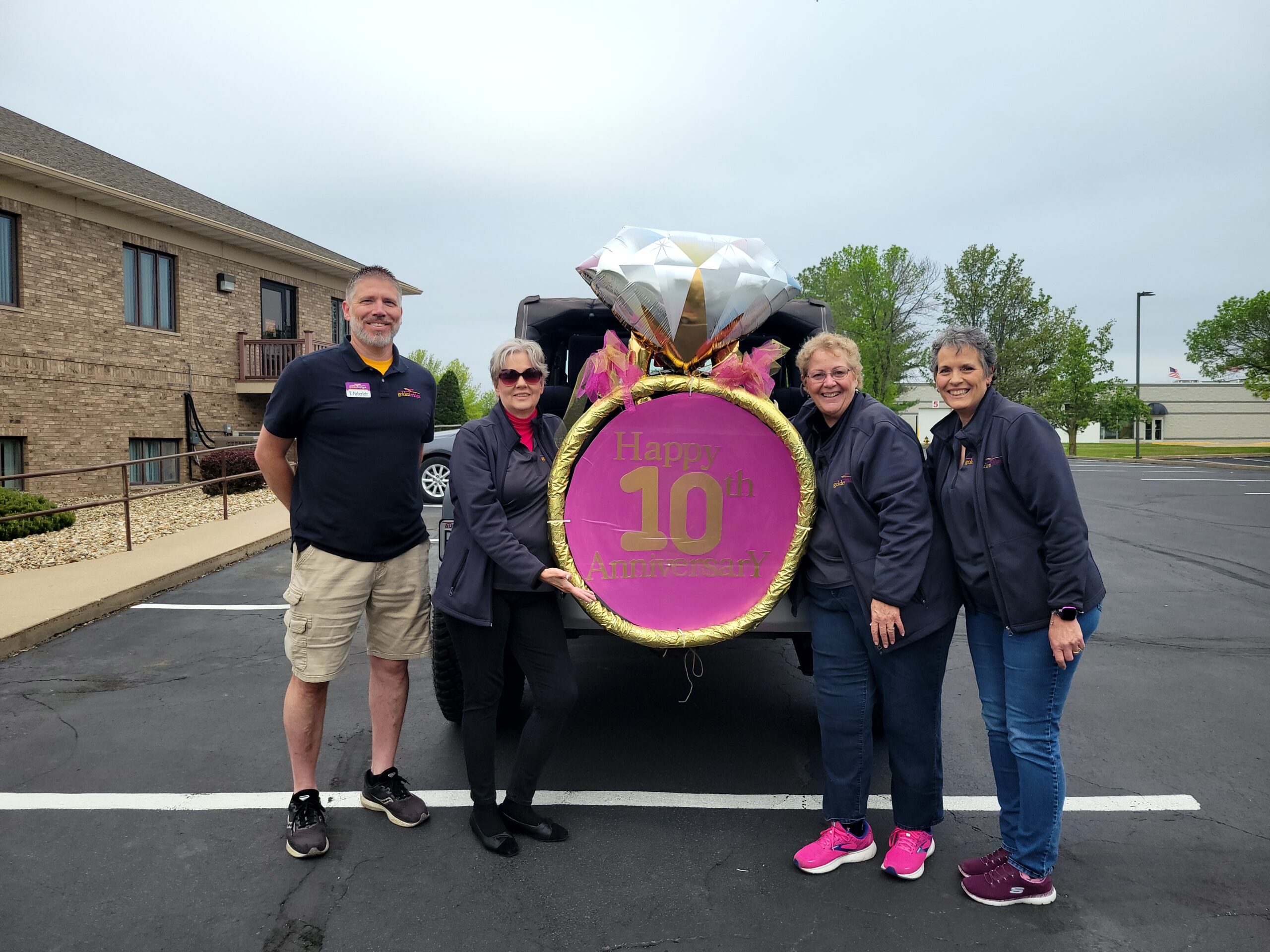
On the first anniversary of Golden Bridges we: Suzanne, Susan and Nancy, went to the Maine Course  for lunch and took the afternoon off from our “day jobs” to do some Strategic Planning. We have repeated that tradition nearly every April 1st since 2014. Last year we made our plans for sponsoring ‘Calendar Girls’ at QCT – including details for an ad in the Playbill. This year it fell on a Saturday so we held off until we could all be together for lunch and the traditional Strategic Planning session. We toasted ten years, finalized decorations for our Dogwood Parade entry and brainstormed how to win the costume contest at this year’s Women of the Chamber Golf Outing. These are fun social traditions that help us mark the occasion. And, of course… All work and no play makes for dull entrepreneurs!  

But the real celebration is that we still have a successful business ten years in. 

“Industry data on startups from the Bureau of Labor Statistics provide valuable insights into the failure of startups. 20% of new businesses fail within the first two years. 45% of new business startups don’t survive the fifth year. 65% of new startups fail during the first ten years.” That means we are in the 35% minority of those that are privileged to move on to year eleven. In fact, by year 15 there are only 25% remaining, so therein lies our challenge for the next five years. 

According to tradition, the 10th anniversary is celebrated with diamonds, and we featured ours (a balloon replica) proudly on the back of a jeep in the Dogwood Parade. Another Golden Bridges tradition is participating in the parade. Around year three we added the food collection in support of Move for Hunger  a philanthropy supported by our National Association of Senior and Specialty Move Managers. This year’s food drive yielded 625# of food and more than $150 in cash. This equates to more than 500 meals at Horizons, and snacks for each of the Neighborhood Food pantries around Quincy.

So – is this where we expected to be for our tenth anniversary? Not at all. Let’s take inventory:

  • All three owners work full time on the business
  • One full-time Director of Sales & Community Outreach
  • Fifteen part-time, episodic employees (or angels as our clients call them).. and growing
  • A fleet of four Golden Bridges vans, with advertising wraps
  • An office On Golden Pond in the QuincyWorx building with a view of the lily pond
  • Successful service to more than 400 clients and their families

In the scheme of things, ten years is not that long when most of us (women) live to 79 and beyond. But in the life of a small business we are just reaching adolescence. A time of exciting growth and change; a time of exploration and learning; and a time to decide what we want to be “when we grow up”. 

Hmm… the field of specialty and senior move management is expanding in new and wonderful ways. And the need for senior solutions is greater than ever, as the greatest generation is demanding bigger and better ways to age. What could that mean for Golden Bridges?

  1. Expanding into senior living facility development?
  2. Giving back to the community in the form of services to families in need?
  3. Advocating for home and residential construction that accommodates the aging population?
  4. Honoring aging veterans for their service by providing our services at reduced rates?
  5. Providing age sensitivity education to caregivers?
  6. Collaborating with healthcare providers to bring awareness of technology assists.
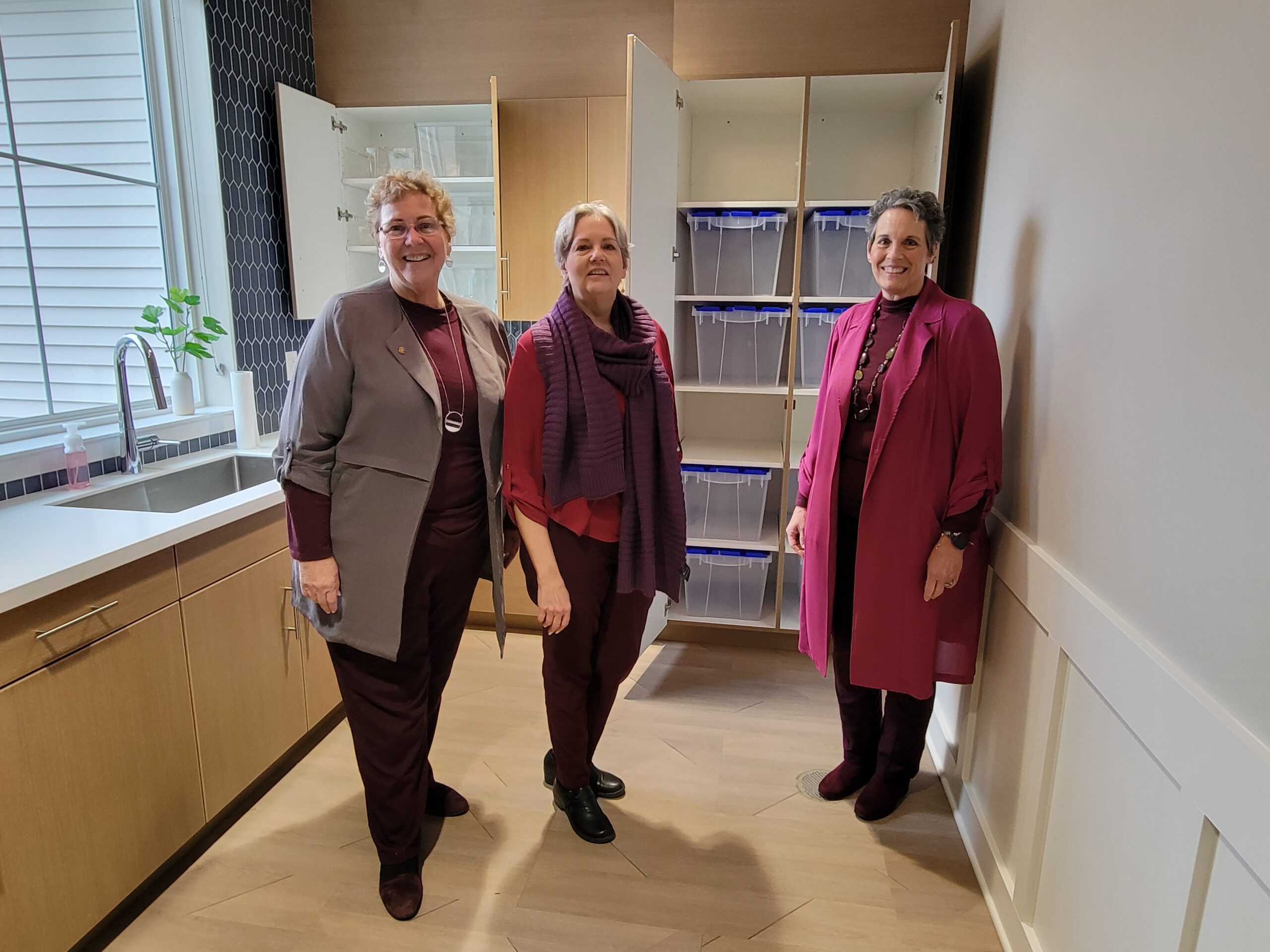
  7. Volunteering in the community to serve seniors and those in transition. We owners are all active volunteers at the Teresa Adams House, where we provided organization tips for the shared resident kitchen. We are always looking for more opportunities!
  8. Helping clients organize and inventory their collections, heirloom items, and what-nots?
  9. Developing a stand up comedy routine: A Humorous Homage to Aging?
  10. Headlining a TED Talk?

Do we still “high five” when one of us closes the deal? You betcha!

Do we toast to the best quarter sales ever? Of course!

Do we have charts on the wall of the office? Do we track our KPI’s? – Yes, and yes. On colorful wipe off boards so we can cheer when the numbers change during the month.

Do you think we are a bunch of rowdy teenagers making noise about our successes and our goals? Ok… we like that!

It’s your move, Golden Bridges has been helping with that for TEN YEARS!


Spring Cleaning

Why Spring Cleaning is Important

Spring cleaning is an annual tradition that involves deep cleaning and decluttering of one’s home, and it has been practiced for centuries. The origins of spring cleaning can be traced back to ancient civilizations, such as the Persians and Jews, who conducted thorough cleaning of their homes in preparation for their New Year celebrations.

Today, spring cleaning has become a popular practice among people worldwide, and for good reason. A person may ask themselves “Why is spring cleaning important?” The changing seasons

brings with them new beginnings, and spring represents a time of renewal and rebirth. Spring cleaning is a symbolic way of embracing this spirit of renewal and preparing for the year ahead. It allows us to start fresh, both physically and mentally and provides many benefits for our well-being and living space.

Decluttering and Organization

One of the most significant benefits of spring cleaning is decluttering and organization. Accumulating clutter is easy, but getting rid of it can be a challenge. Spring cleaning provides an opportunity to evaluate our possessions and get rid of what we no longer need, want, or use. We can donate items to charity, recycle, or dispose of them, making our living spaces more organized and efficient.

Organizing our homes also helps improve our mental well-being. A cluttered space can cause stress, anxiety, and feelings of being overwhelmed. Clearing clutter and organizing our space can have a positive impact on our mental health and make our homes more inviting and relaxing.

Improved Air Quality

During the winter months, our homes are often closed up to keep the cold air out, resulting in stagnant air and dust accumulation. Spring cleaning involves deep cleaning, including dusting, vacuuming, and cleaning air filters. These activities help to improve the air quality in our homes, which is essential for our health, especially for those with allergies or respiratory issues.

Cleaning the windows also allows more natural light into the home, which is known to have a positive impact on our mood and mental health.

Reduced Stress and Anxiety

The act of cleaning can be therapeutic for many people. Spring cleaning provides an opportunity to take control of our living space and reduce stress and anxiety. A clean and organized home can promote a sense of calm and relaxation, making it easier to unwind after a long day.

Cleaning can also be a form of mindfulness, which involves focusing on the present moment and being aware of our surroundings. Mindfulness has been linked to improved mental health, reduced stress, and improved sleep. For more on this topic CLICK HERE

Increased Productivity

A clean and organized living space can also improve our productivity. A cluttered space can be distracting and lead to procrastination, while an organized space can promote focus and motivation. Spring cleaning can help us to identify and eliminate distractions and make our workspace more efficient, leading to increased productivity and achievement of our goals.

Sense of Accomplishment

Spring cleaning provides a sense of accomplishment, which can boost our mood and self-esteem. Completing tasks such as decluttering, deep cleaning, and organizing can give us a sense of pride and satisfaction, leading to improved mental health and motivation.

Family Bonding

Spring cleaning can also be a fun and bonding activity for families. Children can learn valuable life skills, such as cleaning, organizing, and responsibility. Working together as a family can also promote teamwork and create cherished memories.

Tips for Successful Spring Cleaning

Spring cleaning can be a daunting task, but it doesn’t have to be. Here are some tips for successful spring cleaning:

  1. Make a plan: Create a list of tasks and prioritize them based on importance and difficulty.
  2. Break it down: Tackle one room at a time to avoid feeling overwhelmed.
  3. Declutter first: Get rid of items that are no longer needed, wanted, or used before deep cleaning and organizing.
  4. Use natural products: Choose natural, non-toxic cleaning products to avoid harsh chemicals.
  5. Enlist help: Get family or friends to assist with spring cleaning to make the task more manageable and enjoyable.
  6. Take breaks: Don’t try to do everything in one day. Take breaks to avoid burnout and enjoy the process.
  7. Donate and recycle: Instead of throwing away unwanted items, consider donating them to charity or recycling them.
  8. Create a maintenance plan: After completing spring cleaning, create a maintenance plan to keep the home clean and organized throughout the year.

In conclusion, spring cleaning is an important practice that can have a positive impact on our physical and mental well-being. It provides an opportunity to declutter, organize, and deep clean our homes, improving air quality, reducing stress and anxiety, increasing productivity, and promoting a sense of accomplishment. With a plan and some help, spring cleaning can be a fun and bonding activity for families while preparing our living spaces for the new season ahead. If you, a friend, or a family member need help with any spring cleaning needs please reach out to us at goldenbridges4you.com.


WHY…oh why

After returning from our NASMM 2022 Conference in Philadelphia, we were inspired to get going on our Strategic Plan for 2023. Over the past several years, we have chosen a theme around which we rally the troops, focus our marketing, and inspire and serve our clients. For those of you who’ve been reading these blogs for awhile, you might remember the SuperHeros of 2020 inspired by our Core Values of Compassion, Innovation, and Determination.

During our brainstorming session we realized that whatever we chose needed to fit both our staff and our clients and be a guiding principle for all those we serve. We tried to find a “focus word”, and we hit upon WHY. Then we realized that we could use that as an acrostic by substituting four different H words into the phrase – one for each quarter. That is when we created the Golden Bridges WHY for this year:

We HEAR You

WE HELP You

We HONOR You

We 💗 You!

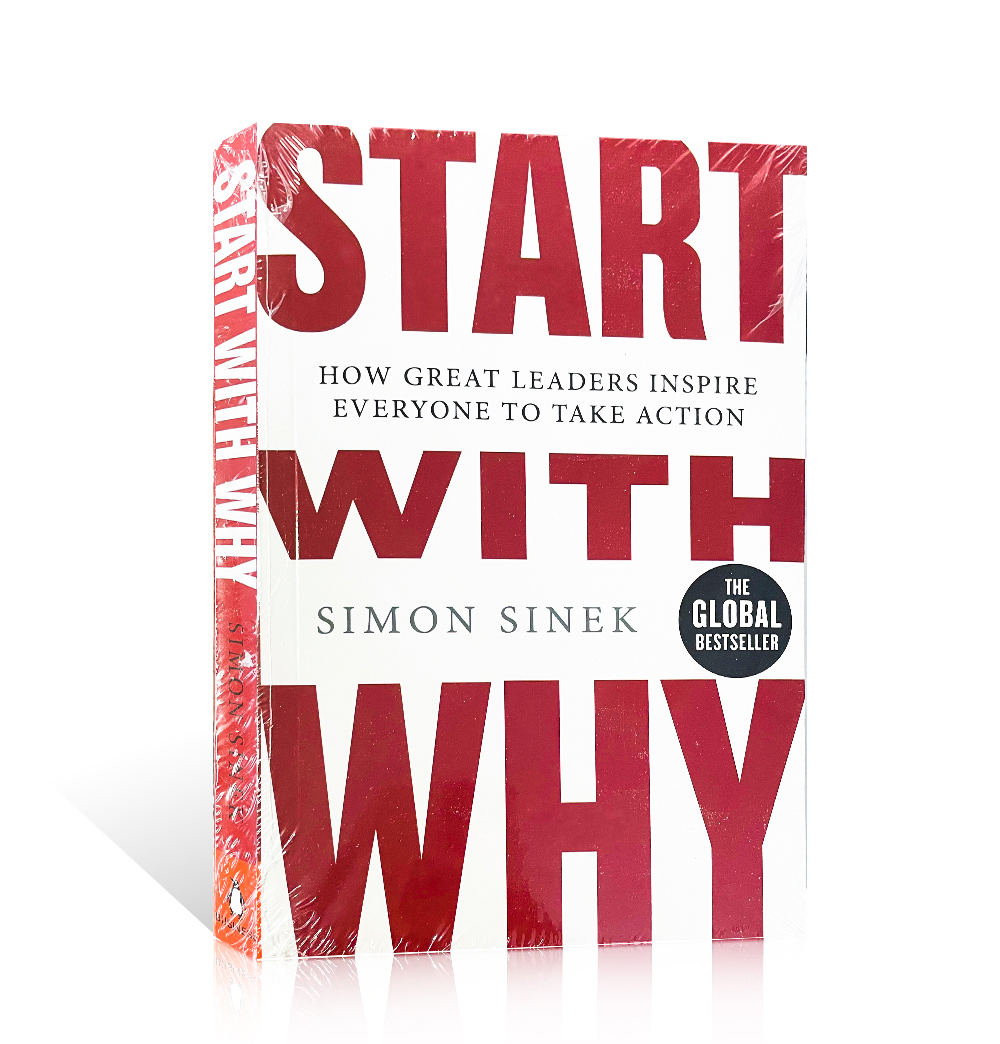
In his book “Start with WHY: How Great Leaders Inspire Everyone to take Action”, Simon Sinek says, “Any organization can explain what it does; some can explain how they do it; but very few can clearly articulate why.”

During our team training for Quarter 1 this week, we asked each member of our staff to tell a story about the WHY. We wanted to HEAR from them why they chose to work with Golden Bridges, and why they stay.

Many of them expressed the initial why was for the flexibility we offer our team. Our workers are part-time, episodic. They are scheduled to work when it works for them, and when we have jobs. They control their schedule by responding to online invitations and have the opportunity to schedule their unavailability (up to weeks or months at a time), when they are traveling, “snowbirding” in Florida during the winter, babysitting grandchildren, or working on the farm. This format works very well for our industry, and just happens to be the new buzzword in business hiring and retention strategies.

Google “flexibility in the workplace” and you will see articles from Forbes, Harvard Business Review, Inc. Magazine, Great Places to Work, the BBC and many others declaring that it is the most sought after benefit, and one of the biggest reasons that people choose to stay in their job.

However, once they are on board they all agree it is the fulfillment of doing good for people who need their help that becomes their WHY for staying. They have formed relationships with the clients and with each other that allow them to live their values and honor the people we serve.

At Golden Bridges we are always hiring new staff. If your WHY is serving people and working within a flexible schedule alongside people who have the heart to honor and serve, then let us know. It’s your move… Golden Bridges can help!

Susan Scholz, Partner

Golden Bridges

CONTACT US